A lot of our customers' hogs, deer and beef trim turns into sausage. The question we get most about it is "how do I know it's done?" Here's the answer, plus how to cook links all the way through without splitting the casings or drying them out.

Sausage safe temperature chart
| Sausage type | Examples | Cook or reheat to | Source |
|---|---|---|---|
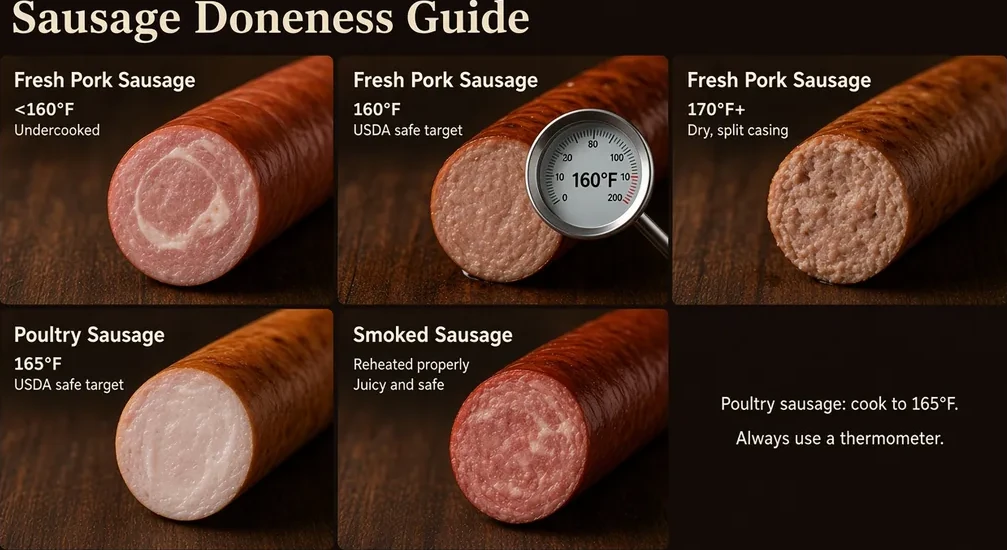
| Fresh sausage: beef, pork, lamb or veal | Bulk breakfast sausage, patties, fresh links, fresh bratwurst, fresh Italian sausage | 160°F (71°C) | [1] [3] |
| Fresh sausage: chicken or turkey | Chicken sausage, turkey breakfast links | 165°F (74°C) | [1] [3] |
| Uncooked smoked sausage | Smoked links labeled "uncooked" or "cook before eating" | Same as fresh: 160°F (red meat) / 165°F (poultry) | [1] |
| Venison sausage | Deer sausage, with or without added pork | 160°F (71°C) | [3] |
| Cooked or cooked-and-smoked sausage | Hot dogs, bologna, cooked bratwurst, knockwurst | Ready to eat; reheat until hot | [1] |
| Dry and semi-dry sausage | Pepperoni, Genoa salami, summer sausage | Ready to eat as is | [1] |
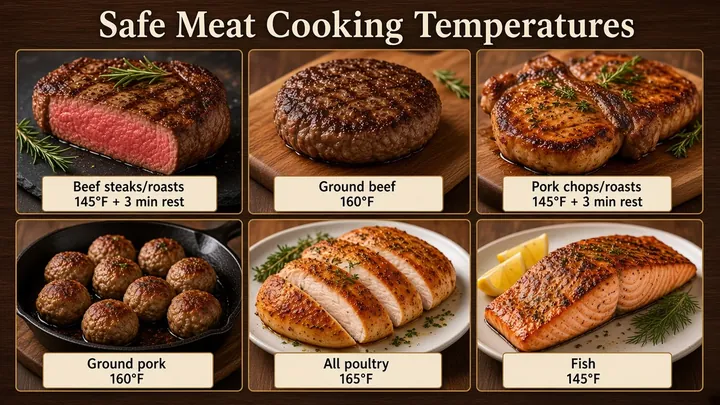
If you mix meats, use the higher number. Venison and pork sausage is 160°F. Pork and chicken sausage is 165°F.
Read the label first
FSIS splits sausage into two groups: uncooked (fresh bulk, patties, links, and smoked sausage that hasn't been cooked) and ready-to-eat (dry, semi-dry and cooked) [1]. Smoked sausage can look fully cooked when it isn't. For federally inspected product that looks cooked but still needs cooking, FSIS requires a prominent statement such as "Uncooked," "Cook before eating" or "Needs to be fully cooked," along with cooking directions [1].
When you pick up custom sausage from us, ask which kind you have. Fresh sausage needs cooking all the way through. Cooked or smoked-and-cooked links just need heating.
Why color and "juices running clear" won't tell you
Sausage is ground meat, so the problems with judging ground beef by color apply here too. FSIS reports that ground beef patties can turn brown before they reach 160°F, and some lean ground beef stays pink after reaching a safe temperature [5]. Cured sausage often stays pink no matter what, and a dark smoked casing can hide what's going on inside. FSIS says a food thermometer is the only reliable way to know food has reached a safe temperature [4].
How to temp a sausage link
FSIS lists sausage with the thin foods that need the probe inserted from the side, so the whole sensing area sits in the center [4].
- Lift the link off the heat onto a clean spatula or plate. FSIS suggests this to keep your fingers from getting burned [4].
- Go in from the end or the side, down the length of the link, so the tip reaches the middle.
- Use a thin, fast probe. A digital thermocouple or thermistor can read thin foods. A dial thermometer needs 2 to 2½ inches of depth and doesn't work for links unless you insert it lengthwise [4].
- Check the fattest link in the batch. Links of different sizes get done at different times [4].
- Look for 160°F (red meat) or 165°F (poultry) [1].
Poking a few holes doesn't hurt anything. A couple of small punctures just lose a little juice.
Cooking methods that won't split the casing
Casings burst when the fat and water inside heat up faster than the casing can stretch. Medium heat and some patience fix most of that.
| Method | How | Good for |
|---|---|---|
| Simmer, then sear | Simmer links in water, beer or broth until they hit temperature, then brown them on a grill or skillet | Thick fresh links, brats; the most reliable way |
| Two-zone grill | Start on the cooler side with the lid down, finish over the coals for color | Cookouts and big batches |
| Skillet | Medium-low heat with a splash of water, covered, then uncover to brown | Breakfast links, patties |
| Oven | Sheet pan at moderate heat, turn once | Feeding a crowd, hands-off |
| Bulk / patties | Medium heat, flip once, temp from the side | Breakfast sausage |
Whatever method you use, cook until it reaches the temperature. "Twelve minutes" means nothing if your links are twice as thick as the recipe's.
Storing fresh and cooked sausage
From the FSIS sausage storage chart [1]:
| Type | Refrigerator | Freezer |
|---|---|---|
| Fresh sausage, uncooked | 1–2 days (opened or unopened) | 1–2 months |
| Fresh sausage, after you cook it | 3–4 days | 2–3 months |
| Hot dogs and other cooked sausage | 2 weeks unopened; 7 days opened | 1–2 months |
| Summer sausage (semi-dry) | 3 months unopened; 3 weeks opened | 1–2 months |
| Hard/dry sausage | Whole: 6 weeks in the pantry, indefinitely refrigerated; 3 weeks opened | 1–2 months |
The freezer times are for quality. FSIS notes that food kept frozen the whole time stays safe indefinitely [1]. Fresh sausage only keeps a day or two in the refrigerator, so keep most of a big batch in the freezer and thaw a pack at a time in the fridge.
What goes into a fresh sausage (and why fat matters)
FSIS's standards for labeled fresh sausage set fat limits: fresh pork sausage can be no more than 50% fat by weight, fresh beef sausage no more than 30%, and Italian sausage no more than 35% of the finished product [1]. Whole hog sausage uses meat from the hog in the same proportions as a single animal, with no more than 50% fat [1].
For cooking, fattier sausage stays juicy and forgives a few extra degrees. Lean sausage, especially venison without added fat, dries out fast once it passes 160°F. Pull it as soon as it gets there.
Ordering custom sausage
When you fill out a hog or deer cut sheet, the sausage line is where you choose:
- Seasoning: ask us which blends we have available (mild, hot and so on)
- Form: bulk, patties or links
- Fresh or smoked: and if smoked, whether it's fully cooked
- Fat: especially for venison, how much pork or beef fat to add
- Package size: one breakfast's worth or enough for a family cookout
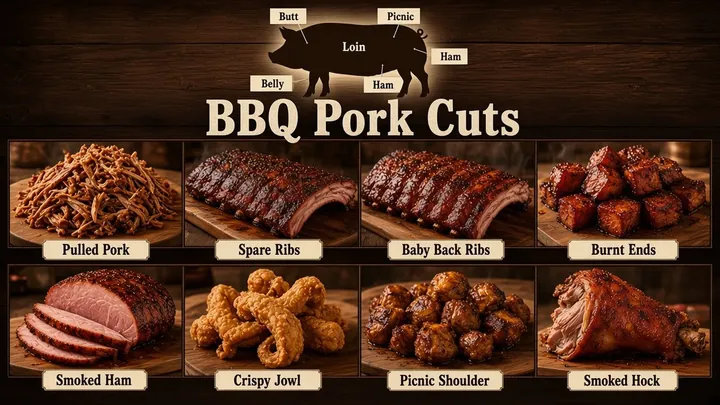
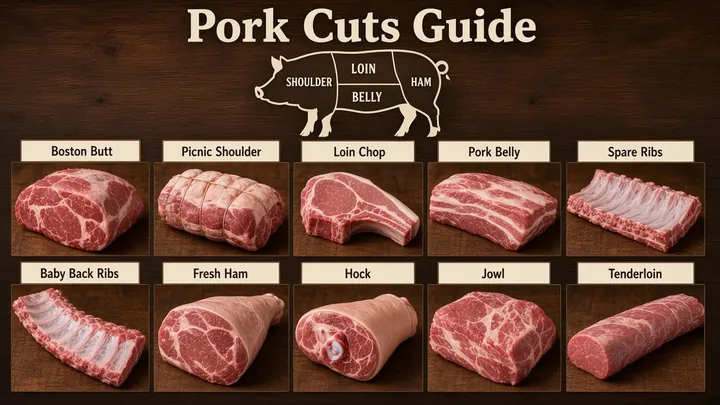
See our pork cut options, deer processing and cut sheets, or read the BBQ pork cuts guide for how much hog trim usually ends up as sausage.
Frequently asked questions
What temperature is pork sausage done?
160°F for fresh pork sausage, measured with a food thermometer [1].
What temperature should chicken sausage reach?
165°F, the same as all poultry [1] [2].
Is smoked sausage already cooked?
Not always. Some smoked sausage is uncooked and must be cooked to a safe temperature. Inspected products that look cooked but aren't must say something like "Cook before eating" on the label [1].
Can sausage be pink inside and still be done?
Yes. Cured and smoked sausage often stays pink, and FSIS says color isn't a reliable sign of doneness for ground meat [5]. Go by the thermometer.
Let's talk sausage
If you've got a hog or deer coming in and want to plan the sausage, call or text 252-885-1892. We can go over seasoning and packaging, and get you a processing date. Flowers Slaughterhouse, 5154 St. Rose Church Rd, Sims, NC.
Sources
- Sausages and Food Safety — USDA Food Safety and Inspection Service
- Safe Minimum Internal Temperature Chart — USDA Food Safety and Inspection Service
- Cook to a Safe Minimum Internal Temperature — FoodSafety.gov (U.S. Department of Health and Human Services)
- Food Thermometers — USDA Food Safety and Inspection Service
- Color of Cooked Ground Beef as It Relates to Doneness — USDA Food Safety and Inspection Service
More in Doneness & Food Safety · Pork articles · Poultry articles